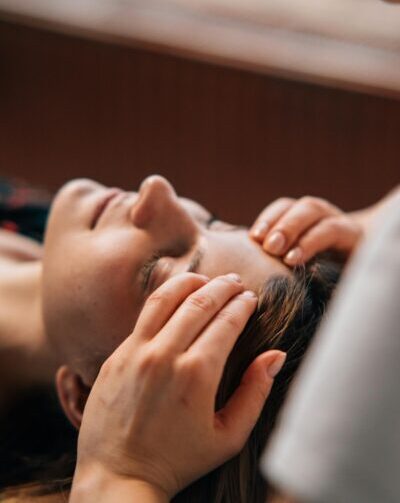
Face and Scalp Massage: The Remedial Approach to Tension, Circulation, and Headache Relief
Face massage: When people think of remedial massage, they usually picture backs, shoulders, and legs. But some of the tightest, most overworked tissue in the body sits above the collarbones — in the jaw, temples, scalp, and the small muscles of the face that quietly hold tension we rarely notice until it becomes a headache.
At Verdelab, we treat the face and scalp the same way we treat any other part of the body: as living soft tissue that responds to skilled, targeted hands-on work. Here’s what’s happening beneath the skin, and why it matters.
More Muscle Than You’d Think
The face contains over 40 muscles, many of them small, layered, and in near-constant use — for expression, chewing, speaking, and simply holding your head’s resting position. The scalp has its own broad sheet of muscle and connective tissue (the galea aponeurotica) that connects down into the neck and up over the crown of the head.
Like any muscle group under repetitive strain, these tissues can develop tightness, trigger points, and restricted movement — often from jaw clenching, screen time, stress, or simply the accumulated posture habits of daily life. A remedial approach applies the same principles used elsewhere in the body: sustained pressure, targeted release work, and techniques that encourage the tissue to soften and lengthen.
The Lymphatic Piece – face massage
Alongside the muscular layer, the face and scalp are rich in lymphatic vessels — part of the body’s drainage system for excess fluid and waste products. Unlike blood, lymph doesn’t have a pump; it relies on muscle movement and external pressure to keep flowing. When facial and scalp tissue is tight or under-stimulated, lymphatic flow can slow, sometimes contributing to a feeling of puffiness or heaviness, particularly around the eyes and jawline. Massge
Gentle, rhythmic lymphatic-focused strokes encourage this fluid to move more efficiently, which is part of why facial and scalp massage often leaves people looking a little brighter and feeling noticeably lighter, not just more relaxed.
Why This Matters for Headache Management
Many tension headaches originate from tightness in the muscles of the jaw, temples, neck, and scalp rather than from the head itself. When these muscles are chronically tight — often from stress, clenching, or poor posture — they can refer pain upward, contributing to the dull, band-like tension many people describe across the forehead or base of the skull.
Working directly through this soft tissue can help in a few ways: releasing tight muscle fibres reduces the mechanical pull contributing to pain, improved circulation supports the tissue’s own recovery process, and the parasympathetic, calming effect of slow facial and scalp work can lower the overall stress load that often triggers headaches in the first place. For many clients, facial and scalp massage becomes a genuinely useful part of an ongoing headache management plan, alongside broader work on the neck and shoulders. Headaches behind the eyes
A Boost for Overall Health and Wellbeing
The benefits of facial and scalp massage reach well beyond the treatment itself. Because this work engages the parasympathetic nervous system — the body’s “rest and digest” state — sessions often leave clients with a genuine sense of calm that can carry through the following days, supporting better sleep and a lower overall stress load.
There’s a broader physical benefit too. Improved circulation and lymphatic flow through the face and scalp don’t just ease local tension; they support the skin and underlying tissue in doing what they’re meant to do naturally, bringing oxygen and nutrients in while clearing waste products out. Many clients also notice looser jaw muscles translate into easier, more comfortable chewing and speaking, and less of the low-grade fatigue that comes from constantly holding tension without realising it.
Taken together, this is why facial and scalp massage sits so well within a broader remedial care plan — it’s not an isolated indulgence, but a treatment that supports the nervous system, circulatory system, and musculoskeletal system all at once, much like the rest of the work we do at Verdelab.
What to Expect from a Session
A remedial facial and scalp treatment typically combines firmer muscular release work through the jaw, temples, and forehead with lighter, rhythmic lymphatic strokes across the cheeks, under the eyes, and down toward the neck — where fluid needs to drain. Many clients find the scalp work especially effective for releasing tension that’s built up from stress or long hours at a desk.
If you’re dealing with recurring headaches, jaw tightness, or simply carry stress in your face without realising it, this kind of targeted, evidence-informed treatment can offer real relief — not just relaxation.
Curious whether facial and scalp massage could help your headaches or tension? Book a session with Verdelab today.