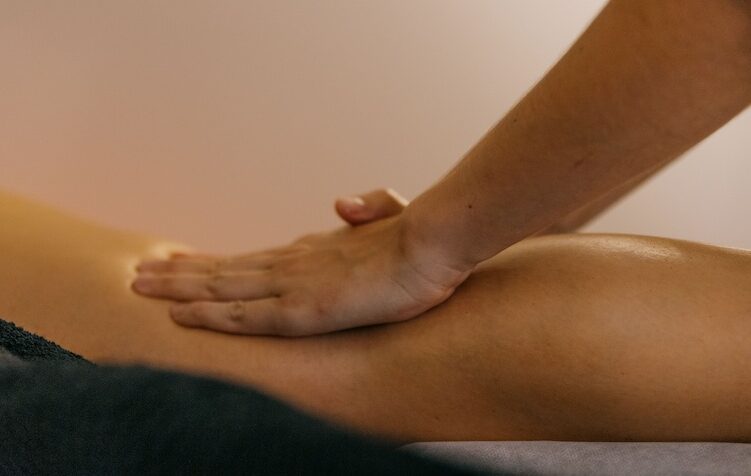
Sports Massage for Recovery: The Science Behind Feeling Better, Faster
Sports massage for recovery. Spring in Melbourne has a way of pulling everyone back outside. The parkrun crowd grows, the footy ovals fill up again, cyclists reclaim the Merri Creek trail, and pre-season training ramps up across the inner north. With that return to movement comes something we see often at Verdelab this time of year: bodies that are keen but not quite conditioned, and the aches that follow.
Sports massage isn’t just a treat for elite athletes. It’s one of the most effective tools available for anyone who trains, plays, or moves their body regularly — and understanding why it works can help you get more out of every session.
What Sports Massage Actually Does
At its core, sports massage combines targeted pressure, stretching, and soft-tissue techniques to address the specific demands that exercise places on muscles, tendons, and fascia. Unlike a relaxation massage, it’s applied with a purpose: easing tightness in overused muscle groups, breaking down adhesions that build up after repeated movement, and restoring a healthy range of motion so your body moves the way it’s meant to. Remedial Massage
The benefits show up in a few key ways:
- Faster recovery between sessions. Massage helps clear metabolic waste products from tissue and supports blood flow to areas that have been under load, which can reduce the lingering soreness that keeps you from training well the next day.
- Reduced injury risk. Tight, overworked muscles are more prone to strain. Regular massage helps identify problem areas — a stiff hip flexor, an overloaded calf — before they become the injury that sidelines you.
- Better range of motion. Fascia and muscle tissue can become restricted with repetitive use. Hands-on work helps restore the flexibility your joints need to move efficiently and safely.
- A nervous system reset. This part often gets overlooked. Exercise is a stressor, and the body needs time in a parasympathetic, “rest and digest” state to properly repair. Massage helps trigger that shift, which is part of why people often sleep better after a session.
The Science of Sports massage for Recovery
Recovery isn’t just about resting — it’s an active physiological process. When you exercise, particularly at higher intensities, muscle fibres experience microscopic damage. This is a normal and necessary part of getting stronger, but it also triggers inflammation, and inflammation is what produces that familiar post-training soreness.
Manual therapy supports this repair process in a few evidence-informed ways. Pressure and movement through soft tissue can improve local circulation, which helps deliver oxygen and nutrients to recovering muscle. It can also reduce muscle tension and trigger points, which eases the sense of tightness that often lingers after hard efforts. And because massage engages the parasympathetic nervous system, it can lower cortisol and support the kind of deep, restorative sleep where much of the body’s actual repair work happens. Sports and recovery
None of this replaces good training load management, hydration, or sleep — but it complements all three, and for many people it’s the missing piece that turns “surviving” a training block into genuinely thriving through it. Sports massage
Who Sports Massage Is For
You don’t need to be training for a marathon to benefit. We see this kind of work help: Sports massager for recovery can help with;
- Weekend sport players managing the jump from off-season to full training loads
- Runners and cyclists building volume as the weather warms up
- Gym-goers pushing into new strength or endurance goals
- Anyone whose “sport” is just an active, physical job or lifestyle
Recovery Is Part of the training plan; massage for recovery is essential.
If there’s one shift we’d love more people to make, it’s this: think of Sports massage for recovery as part of your training plan, not something you turn to only once something hurts. Regular sessions — whether weekly, fortnightly, or timed around a big event — help your body adapt to load more sustainably, so you can keep doing the activity you love without setbacks.
If you’re building back into training this spring or want to move and feel better in your body, our therapists at Verdelab are here to help you put together a recovery approach that supports your goals.
Ready to book a sports massage in Brunswick East? Book your session with Verdelab today.