The Musculoskeletal Syndrome of Menopause: What Every Woman Should Know
Musculoskeletal syndrome of menopause. For many women, the aches, stiffness, and slower recovery that show up during perimenopause and menopause get quietly dismissed as “just getting older.” But there’s a growing body of research suggesting something more specific is going on — and it has a name: the musculoskeletal syndrome of menopause.
At Verdelab Remedial Massage and Myotherapy in Brunswick East, this is a topic close to home for our myotherapist Chenille Hosking, who specialises in women’s health. Below, Chenille shares her own research and clinical perspective on what’s happening in the body during this transition, and what women can do to move through it feeling strong rather than sidelined. Science and Menopause
In Chenille’s Words: The Musculoskeletal Health of Women in Perimenopause
The following section is written by Chenille Hosking, Myotherapist at Verdelab, drawing on her own research into this area.
Perimenopause is a pivotal time in a woman’s life, marked by profound hormonal shifts that influence not only reproductive health but also musculoskeletal integrity. For allied health and fitness professionals, understanding these physiological changes is critical to providing effective, evidence-based care. Fluctuating and declining levels of oestrogen, progesterone, and testosterone can have far-reaching effects on bone density, muscle mass, recovery, and joint health. Recognising how these factors intersect enables practitioners to tailor interventions that preserve function, prevent injury, and support long-term wellbeing.
Hormones and the Musculoskeletal System
Dr Vonda Wright, orthopaedic surgeon and author of The Musculoskeletal Syndrome of Menopause, highlights the central role of oestrogen in maintaining bone strength and metabolic balance. Reduced oestrogen levels increase osteoclast activity (bone breakdown), suppress osteoblast function (bone formation), and disrupt calcium and vitamin D metabolism, accelerating bone loss and heightening the risk of osteopenia and osteoporosis.
Muscle health is equally affected. As oestrogen levels fluctuate, muscle protein synthesis slows and inflammation can linger longer after training or injury. This combination contributes to reduced strength, slower recovery, and greater fatigue — symptoms that many women notice even when their exercise routines remain consistent.
Collagen and Connective Tissue Changes
Collagen synthesis also declines during perimenopause, leading to stiffer, less resilient connective tissues. Myotherapists and movement professionals may observe increased incidences of tendinopathies (such as Achilles or rotator cuff issues), as well as hip, shoulder, or spinal stiffness. These changes not only affect mobility and performance but can also increase the risk of chronic pain or overuse injuries.
A Myotherapy Framework: Education and Empowerment
Within a myotherapy or allied health setting, adopting a biopsychosocial approach is key. By educating clients about the hormonal influences on their bodies, practitioners can empower them to make proactive changes in exercise, nutrition, recovery, and stress management.
It’s important to note that what worked for an individual in earlier decades may not be as effective during perimenopause. Practitioners should help clients adjust training loads, recovery strategies, and nutritional habits to reflect changing physiology.
Training and Nutrition: Evidence-Based Adjustments
Exercise physiologist Dr. Stacy Sims advocates for strength-based, high-intensity training during perimenopause and beyond. Heavy resistance work, complemented by short bursts of high-intensity intervals, helps maintain muscle mass, bone density, and metabolic health. Importantly, adequate recovery between sessions becomes even more critical.
Nutritionally, sufficient protein intake supports muscle repair and offsets the catabolic effects of stress hormones. This not only aids tissue recovery but also promotes better sleep and hormonal balance.
Proactive, Preventive Practice
For women entering or experiencing perimenopause, the most powerful intervention is prevention. Encouraging muscle and bone development early, and sustaining these efforts throughout the transition, provides lasting protection against frailty, pain, and loss of independence.
As research continues to evolve, one message remains clear: understanding the hormonal foundations of musculoskeletal health allows allied health and fitness professionals to design smarter, safer, and more supportive programs for women in midlife.
Together, we can help women move confidently through perimenopause — strong, capable, and pain-free.
— Chenille Hosking
References
- Wright, V. J. et al. (2024). The Musculoskeletal Syndrome of Menopause. Climacteric, 27(5), 466–472.
- Sims, S. (2025). What to Do Differently in Peri & Post menopause. drstacysims.com
- Bartlett, S. (Host). (2025, October 16). Women’s Fertility & Lifestyle Debate: Dangers of Not Having a Period! The Diary of a CEO podcast
How Myotherapy and Remedial Massage Fit into This Picture
Understanding the science is one thing — knowing what to do about it day to day is another. This is where hands-on care can play a genuinely supportive role alongside the strength training and nutrition changes Chenille outlines above. Remedial Massage
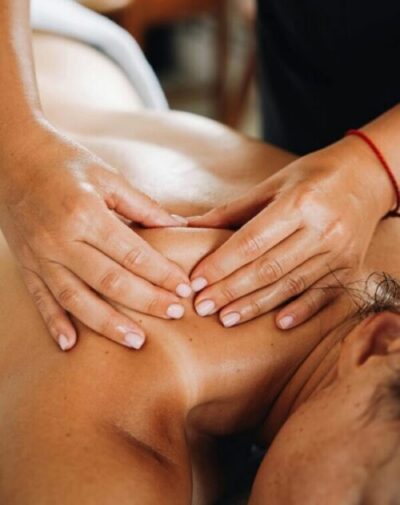
Myotherapy and remedial massage won’t reverse hormonal change, but they can help manage its physical consequences: easing the stiffness that comes with reduced collagen resilience, supporting recovery around new or adjusted training loads, and addressing the tendon and joint tightness that tends to show up in the shoulders, hips, and spine during this transition. For many of our clients, regular sessions become part of a broader toolkit — sitting alongside strength work, good nutrition, and rest — rather than a stand-alone fix. Myotherapy
If you’re noticing new stiffness, slower recovery after exercise, or nagging joint and tendon pain and wondering whether it’s connected to perimenopause, you’re not imagining it, and you don’t have to just push through it.
Book with Chenille in Brunswick
Chenille brings both clinical myotherapy skill and a genuine interest in women’s health to every session at Verdelab. If you’d like a tailored approach to the musculoskeletal changes of perimenopause and menopause, book a session with Chenille at our Brunswick East clinic.
Located on Lygon Street, Brunswick East — servicing Brunswick, Fitzroy North, Coburg, and the wider inner north of Melbourne.
