
Massage
When most people think of massage, they sometimes picture a spa day—soft music, aromatherapy, and pure relaxation. While there are some components of this with remedial massage, as a treatment remedial massage operates on an entirely different level. It’s a targeted, clinical approach to treating pain, injury, and dysfunction in your body. If you’ve been struggling with chronic tension, sports injuries, or lingering discomfort that just won’t go away, understanding what remedial massage can do could prove to be beneficial for you.
What Exactly Is Remedial Massage?
Remedial massage is a therapeutic treatment designed to identify and repair damaged tissues, muscles, tendons, and ligaments. Unlike relaxation massage, which focuses on general wellbeing, therapists conduct a thorough assessment of your posture, movement patterns, and specific pain points before developing a tailored treatment plan.
The word “remedial” means “intended as a remedy”—and that’s precisely what this therapy does. It addresses the underlying causes of your discomfort, not just the symptoms. Your therapist uses a variety of evidence-based techniques including deep tissue massage, trigger point therapy, myofascial release, and joint mobilisation to restore proper function to affected areas. therapy – the science
How Remedial Massage Works on a Clinical Level
Here’s where it gets interesting: when you experience an injury or develop chronic tension, your body responds by creating adhesions—essentially internal scar tissue that binds muscles and fascia together. These adhesions restrict movement, reduce blood flow, and perpetuate pain cycles. massage systematically breaks down these adhesions through controlled pressure and specific manipulation and hands-on techniques. remedial massage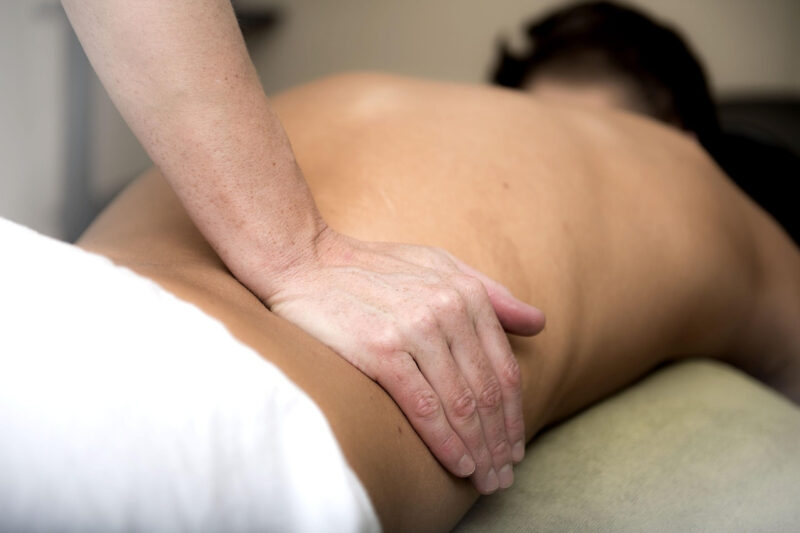
The treatment also stimulates your parasympathetic nervous system, reducing cortisol levels and promoting the release of endorphins—your body’s natural painkillers. By improving circulation to affected tissues, remedial massage delivers fresh oxygen and nutrients while flushing out metabolic waste products like lactic acid that contribute to soreness and inflammation.
What Can Remedial Massage Help With?
The applications are remarkably broad. Sports injuries, repetitive strain injuries from computer work, headaches stemming from neck tension, lower back pain, frozen shoulder, sciatica—remedial massage has demonstrated effectiveness across all these conditions. It’s particularly valuable for people whose pain has become chronic, meaning it’s persisted beyond normal tissue healing time.
One fascinating aspect: remedial massage doesn’t just treat the site of pain. Your therapist might work on your hip to address knee pain or focus on your shoulders to relieve headaches. That’s because they’re trained to recognise how dysfunction in one area creates compensatory patterns throughout your entire kinetic chain.
What to Expect During Treatment
Be prepared for your first appointment to include a detailed consultation. Your therapist will ask about your medical history, current symptoms, and daily activities. They’ll assess your posture and may ask you to perform specific movements. The treatment itself can range from moderately uncomfortable to intense, depending on the condition being addressed—but it should never be unbearable. Remember it’s always important to communicate with your therapist about any level of discomfort.
Many people notice immediate improvements in range of motion and pain levels, though chronic conditions typically require a series of treatments for lasting results.
Is Remedial Massage Right for You?
If you’re dealing with persistent pain, recovering from injury, or finding that your body just doesn’t move the way it used to, remedial therapy offers an evidence-based pathway to recovery. It’s not just about feeling better temporarily—it’s about restoring your body’s natural function so you can get back to living without limitations.
Book in at Verdelab to consult with one of our experienced and compassionate therapists.
